
Myth 2: “Airbnb Is All I Need”
Airbnb can be a very useful source of bookings, especially for a new property. But relying entirely on one platform leaves the business dependent on that platform’s audience, rules and visibility.
Different guests search in different places. Some prefer Airbnb, while others use Booking.com, Vrbo, Google or a local agency they already trust. Repeat guests may want to book directly once they know the property and the people looking after it.
That does not mean every holiday home needs to appear absolutely everywhere. More platforms also mean more calendars, messages and details to manage properly.
The better question is: which booking routes suit this property, and are they all presenting it consistently?
Myth 3: “Guests Do Not Read the Description”
Guests often start with the photographs, but that does not make the written description unimportant.
The copy helps them answer the practical questions the images cannot. How far is the beach really? Is the parking straightforward? Who does the home suit? Is the garden enclosed? What should they know before booking?
A good description does not need to be full of flowery language. It needs to be clear, honest and specific.
That honesty matters because attracting the wrong guest is not a successful booking. If someone expects something the property cannot offer, disappointment can follow even when the home itself is lovely.
The best descriptions help the right guest recognise that the stay suits them and help everybody else make an informed choice.
Myth 4: “Professional Photography Does Not Really Matter”
Phone cameras are very good now, and there are times when a quick updated photograph is useful.
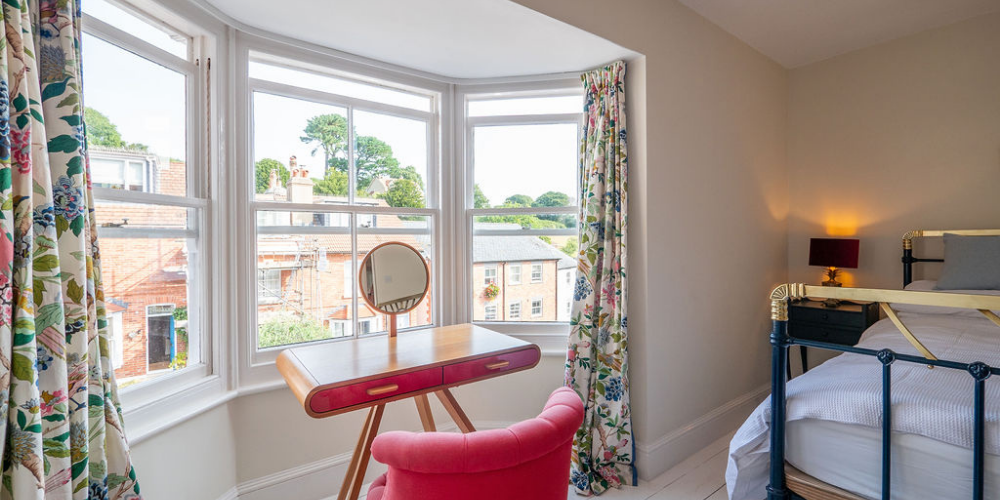
But professional property photography is about more than owning an expensive camera. It is about light, composition, styling and showing the home in a way that makes sense as guests move through the gallery.
The photographs should not simply document every room. They should show the feeling of the stay while remaining accurate.
That might mean the morning light on a balcony, the path towards the beach, an outdoor bath at dusk or enough detail to understand how the bedrooms are arranged.
Photography cannot make up for a poor guest experience, but weak images can prevent a good property from getting the attention it deserves.
Myth 5: “I Can Set One Price for the Year”
Holiday letting demand is rarely the same from one week to the next.
School holidays, weekends, local events, weather, booking pace and the amount of remaining availability can all make a difference. Even two similar-looking gaps may need a different approach depending on how close the arrival date is and who is likely to book.
This does not mean changing prices constantly for the sake of it. It means reviewing them regularly and understanding why a date is, or is not, selling.
Sometimes the rate needs adjusting. Sometimes the issue is the minimum stay, changeover day, lead photograph or the way the available dates are being explained.
Price is only one part of the picture.
What Actually Helps a Holiday Let Perform?
In my experience, it is rarely one dramatic change.
It is usually several things working together:
– photography that gives a clear and appealing first impression
– honest descriptions that attract the right guest
– pricing that responds to the season and booking pattern
– reliable communication before and during the stay
– a properly prepared property
– guest feedback that is noticed and acted upon
– marketing that reflects what is genuinely different about the home
Every property deserves its own strategy. That strategy also needs to be reviewed rather than written once and forgotten.
Small improvements, made consistently, often matter more than chasing the latest supposed trick.
Wondering What Might Be Holding Your Property Back?
If your holiday home is not receiving the bookings you expected, it does not automatically mean something is badly wrong.
Sometimes a fresh look at the photographs, pricing, booking rules or guest journey reveals a few practical changes worth testing.
At Quay Holiday Lettings, I take the time to understand the property and the owner’s goals before suggesting an approach. No one-size-fits-all formula and no promises that one change will fix everything.
If you would like an honest conversation about your South Hams holiday home, I would be very happy to hear from you.
Not sure how well your current approach is working? Complete our free Owner Performance Review for personalised insights and practical next steps.
Internal Links